Bilingualism in Montreal: How Language Shapes the City
Montreal is a city like no other, where the coexistence of French and English has shaped its culture, identity, and daily life. As the largest French-speaking city in North America and a hub of bilingualism, Montreal offers a fascinating blend of linguistic traditions that reflect its unique history and multicultural character. Here’s a deep dive into how bilingualism defines this vibrant city.
The Roots of Montreal’s Bilingual Identity
Montreal’s bilingualism is deeply tied to its history. Founded by French settlers in 1642, the city came under British control in 1763 after the Treaty of Paris. The shift brought an influx of English-speaking residents, creating a culturally and linguistically diverse community. Over time, Montreal grew into a bilingual city, with both French and English shaping its governance, education, and cultural landscape.
French as the Official Language
Quebec’s Charter of the French Language (Bill 101), introduced in 1977, established French as the province’s official language. The law ensures that French remains the primary language in:
- Education: Most children attend French-language schools unless their parents qualify for English education under specific criteria.
- Business: French must be the primary language of workplace communication and signage.
- Government Services: Public services are predominantly offered in French.
Despite this, Montreal stands out as a bilingual city where English remains widely spoken and integrated into daily life.
Bilingualism in Everyday Life
Montrealers are adept at navigating between French and English, often blending the two in conversations. Here’s how bilingualism plays out in day-to-day life:
1. Communication
- “Bonjour, hi”: This iconic greeting in shops and restaurants reflects the city’s linguistic duality.
- Many locals are fluently bilingual, easily switching between languages based on the situation.
2. Signage
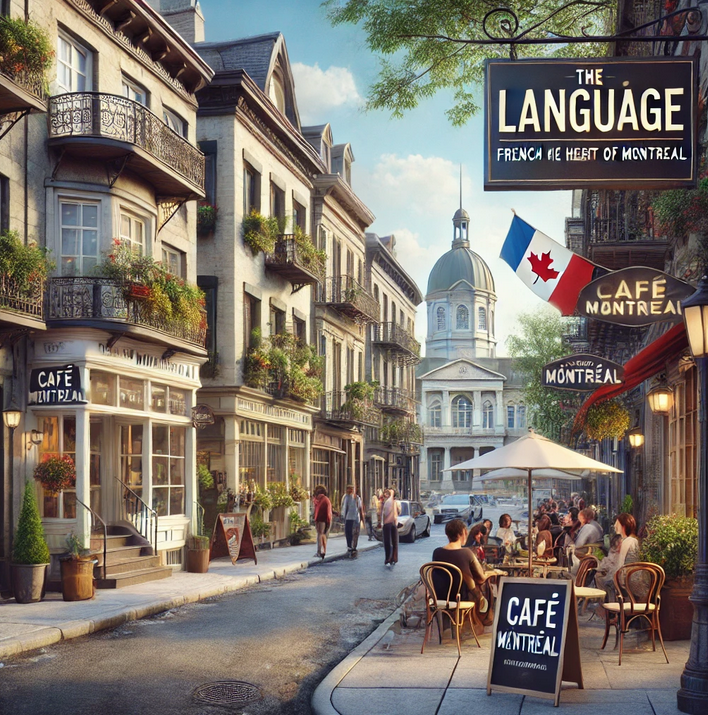
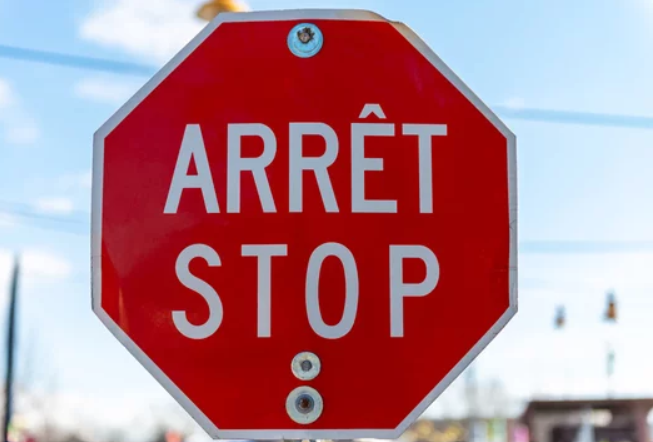
- Public signs and advertisements are primarily in French, as mandated by law, but many businesses include English translations.
3. Multilingual Influence
- Beyond French and English, Montreal’s multicultural community adds languages like Italian, Spanish, Arabic, and Mandarin, enriching the city’s linguistic tapestry.
Bilingual Education in Montreal
Montreal’s education system mirrors its bilingual culture:
- Francophone Schools: Focused on French-speaking students, with French as the medium of instruction.
- Anglophone Schools: Available to English-speaking families who meet eligibility criteria, but they emphasize French as a second language.
- French Immersion Programs: Popular among English-speaking families, these programs foster fluency in French while maintaining English proficiency.
Montreal is also home to top-tier universities in both languages, including McGill University (English) and Université de Montréal (French), attracting students from around the globe.
Bilingualism in Montreal’s Culture
1. Arts and Entertainment
- Festivals like Francos de Montréal celebrate French-language music, while events like the Montreal International Jazz Festival include performances in both languages.
- Montreal’s thriving theatre and film scenes feature productions in French and English, often with subtitles to bridge the gap.
2. Media
- English Media: The Gazette (newspaper), CJAD (radio).
- French Media: La Presse, Radio-Canada, and Le Devoir.
- Television programming often includes bilingual content, reflecting the city’s dual identity.
3. Culinary Scene
- Bilingualism is even present in Montreal’s food culture, blending French culinary techniques with international influences. From French patisseries to multicultural food markets, language and culture come together on every plate.
Challenges and Benefits of Bilingualism
Challenges
- Language Politics: Language laws can sometimes create tensions between French and English speakers.
- Adaptation: Newcomers may find it challenging to navigate a city where fluency in both languages is often expected.
Benefits
- Cultural Richness: Bilingualism fosters a vibrant exchange of ideas and traditions, enriching Montreal’s cultural landscape.
- Global Appeal: The ability to communicate in two languages enhances Montreal’s status as a cosmopolitan city, attracting businesses, tourists, and students.
Tips for Embracing Montreal’s Bilingual Culture
- Learn Basic Phrases: Start with greetings like “Bonjour” (Hello) and “Merci” (Thank you). Locals appreciate the effort.
- Don’t Stress About Mistakes: Montrealers are used to bilingual interactions and are generally patient with learners.
- Explore Both Sides: Attend French-language festivals and English theatre productions to experience the city’s linguistic diversity.
- Be Open to Code-Switching: Conversations often flow between languages. Don’t hesitate to use whichever language you’re comfortable with.
Why Bilingualism Matters in Montreal
Bilingualism isn’t just a feature of Montreal—it’s a cornerstone of its identity. The city’s ability to seamlessly blend two linguistic worlds creates a dynamic environment where diversity thrives. It fosters creativity, inclusivity, and a deep sense of community, making Montreal one of the most unique cities in North America.
Final Thoughts
Montreal’s bilingualism offers a window into its rich history and vibrant culture. As you navigate its streets, you’ll encounter a city where two languages coexist beautifully, creating an atmosphere that’s welcoming, dynamic, and uniquely Montreal. Whether you say “Bonjour” or “Hi,” you’re bound to feel at home in this extraordinary city.